
Superuser – Open Infrastructure News and Community Stories
 Moonsang Yoo
 Chanyeol Yoon
 Superuser
 Youngwoo Kim
 EL BOUKHARI Youcef
 Hiroshi Tsuji
 Dai Pham Le Gia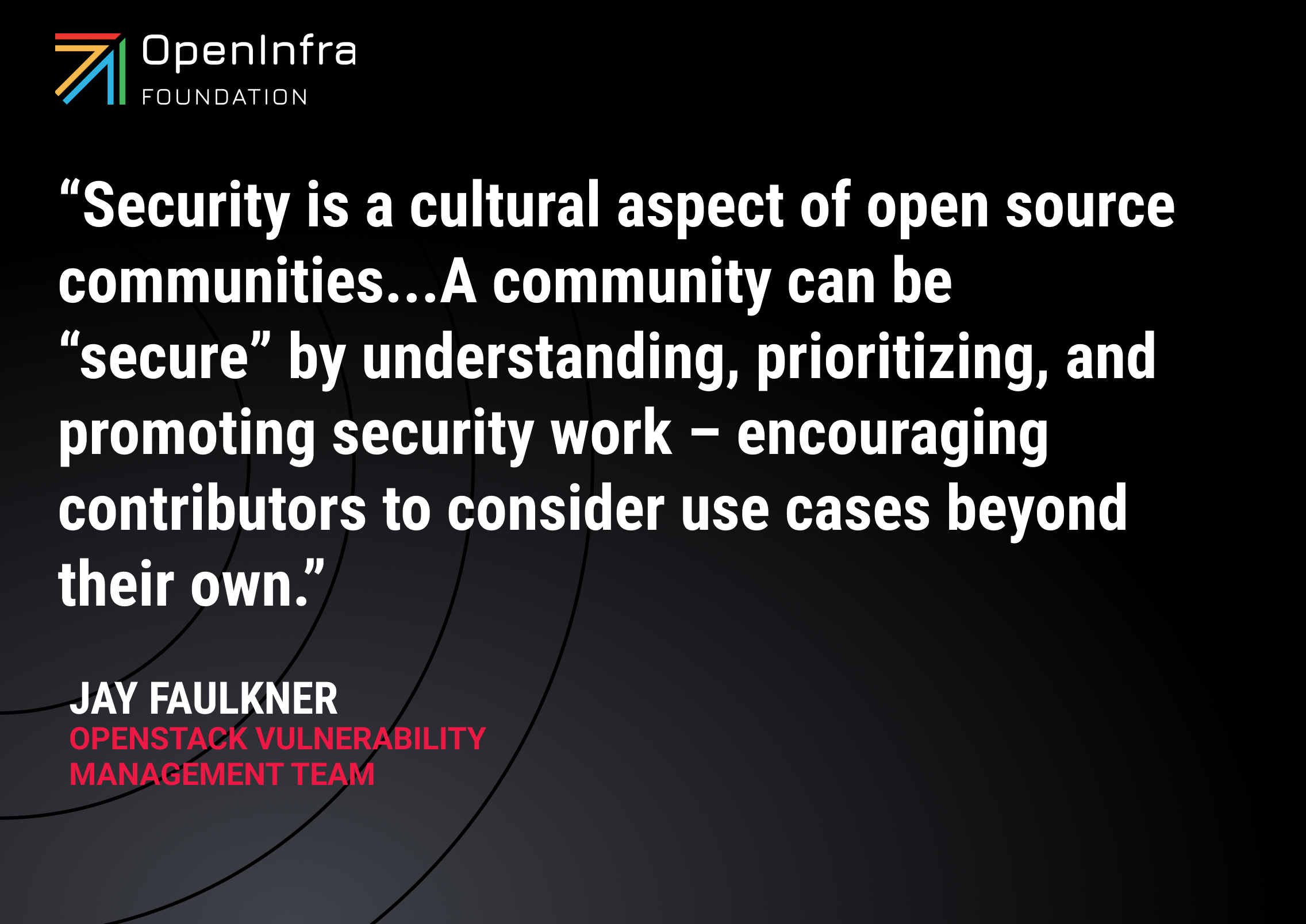
 Jay Faulkner
 Martin Pilka
-
OpenStack Delivers Efficiency, Cost Savings for Powering AI Workloads
-

Why OpenStack Is Still Walmart’s Private Cloud of Choice — 1 Million+ Cores Later
-
Using Kata Containers as a Container Runtime in OpenStack Zun
-

Software Deployment Options in OpenStack: A Quick Guide
Recent Posts
- Part 2: Building VPC Networking with OpenStack Neutron and OVN
- How China Mobile Cloud Gave Its OpenStack Cloud a 60 PB Arm Block Storage Foundation on OpenAtom openEuler
- Part 1: Building Sovereign Cloud Control with OpenStack, OVN, and Zuul
- The One Millionth Change: OpenDev’s Quiet 15-Year Marathon
- From GitLab SaaS to Full Sovereignty: Hosting GitLab in an OpenStack Cloud